5 Best Sleep Trackers for Better Rest at Night in 2026
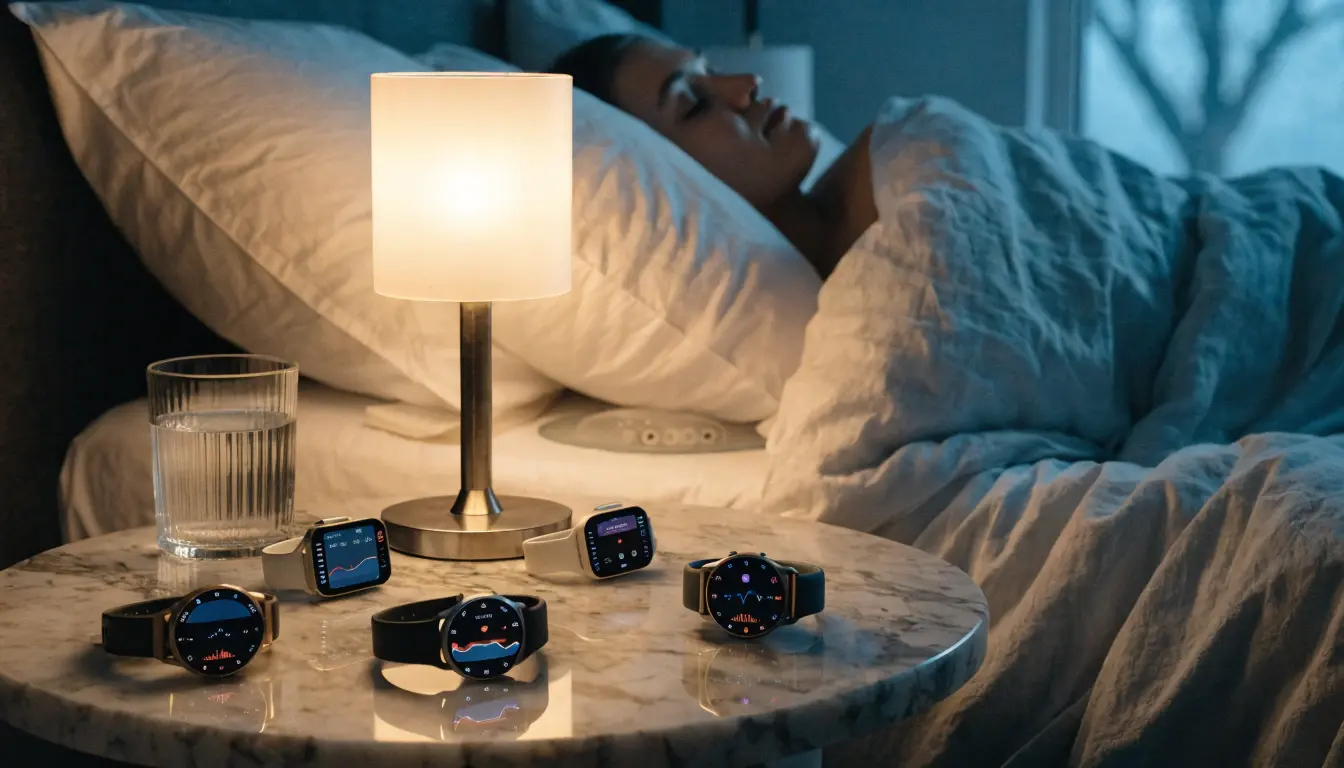
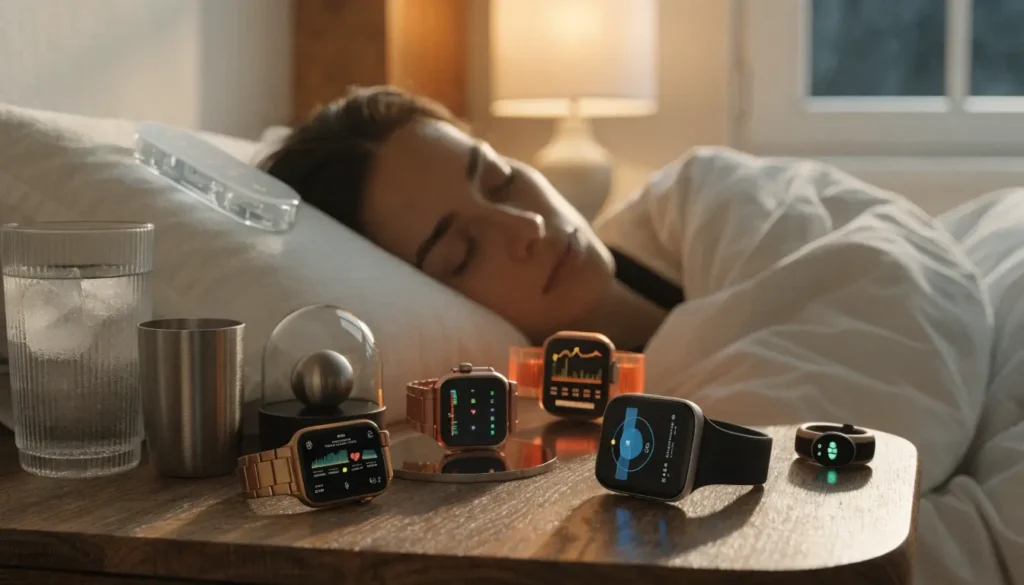
If you’re waking up tired, checking your phone at 2 a.m., or wondering why “8 hours” still doesn’t feel like enough, you’re not alone. Sleep quality is influenced by stress, temperature, routines, and even subtle breathing changes—so guessing rarely works. The fastest way to improve is to measure what’s actually happening and adjust based on patterns. This guide to best sleep trackers 2026 breaks down the top options (with clear pros/cons) so you can pick a tracker that fits your body, lifestyle, and budget—without drowning in tech specs.
Table of Contents
How we ranked the best sleep trackers in 2026 (so the picks are practical)
Sleep tracking isn’t just “did you sleep?” It’s sleep stages, consistency, recovery signals, and habits. For this list, I prioritized factors that actually change outcomes:
- Sensor quality: heart rate (PPG), HRV, SpO₂ (blood oxygen), skin temperature, movement
- Sleep insights you can act on: trends, coaching, bedtime windows, consistency scoring
- Comfort at night: size, weight, strap/ring feel, display brightness, vibration strength
- Battery life: because nightly charging ruins tracking consistency
- Ecosystem fit: iPhone/Android compatibility, health app syncing, integrations
- Total cost: device price + whether a subscription is required for core features
Tip: If you want a simple start, any solid wearable sleep monitor that you’ll wear every night beats an “advanced” device you leave on your dresser.
1) Oura Ring (latest generation available on Amazon) — Best overall for comfort + nightly recovery
Rings have quietly become one of the most reliable ways to track sleep because they’re stable on the finger (less “sensor bounce” than loose wrist straps). Oura is popular for a reason: it focuses on sleep, recovery, and readiness rather than trying to be a do-everything smartwatch.
Why it works for better sleep
- HRV and resting heart rate trends are easy to interpret night-to-night
- Skin temperature deviations can reveal stress, overtraining, or early illness signals
- Strong emphasis on sleep consistency (often the biggest lever for energy)
Best for
- People who hate sleeping with a watch
- Anyone focused on recovery, stress, and routine-building
- Light sleepers who want minimal wrist vibration/light
Pros
- Very comfortable for nightly wear
- Strong recovery signals (HRV + temp)
- Simple, habit-friendly reporting
Cons
- No on-wrist screen (some people prefer real-time data)
- Many features may require a subscription (check current listing)
Use-case tip: If your sleep varies wildly by weekday/weekend, a ring is great because it rewards consistency and shows how late nights affect recovery.
2) WHOOP Strap — Best for coaching and behavior change (not just data)
If you’ve ever looked at a sleep chart and thought, “Okay… now what?”, WHOOP is designed for the “what now.” It’s built around recovery: how your sleep, strain, and habits connect.
Why it works for better sleep
- Strong sleep need concept (how much sleep your body requires after strain)
- Habit/journal features that help you connect behaviors (late caffeine, alcohol, workouts) to outcomes
- Emphasizes trend-based coaching, not isolated nightly scores
Best for
- People who want coaching and accountability
- Athletes and high-stress professionals
- Anyone trying to identify “hidden” sleep disruptors
Pros
- Coaching-first experience
- Excellent for lifestyle experiments (habits → results)
- Comfortable, screen-free wear
Cons
- Subscription-first model for most users
- No smartwatch-style apps or notifications (by design)
Use-case tip: If you’re changing routines (new training plan, new job schedule, quitting late caffeine), WHOOP makes it easier to see which changes actually improve sleep.
3) Apple Watch (latest Series/Ultra available on Amazon) — Best sleep tracker for iPhone users
Apple Watch is the easiest choice if you already live inside the Apple ecosystem. While it’s not “sleep-only,” it has become much more serious about sleep metrics, sleep schedule, and nighttime vitals.
Why it works for better sleep
- Smooth setup: sleep schedules, wind-down routines, and Health app trends
- Helpful nighttime vitals (varies by model/watchOS): heart rate, respiratory rate, wrist temperature on supported models
- Excellent third-party sleep apps if you want deeper analysis
Best for
- iPhone users who want one device for health + daily life
- People who want smart alarms, reminders, and integrations
- Users who like seeing data on a screen
Pros
- Best-in-class ecosystem integration (Apple Health, apps)
- Strong overall health tracking beyond sleep
- Great accessibility and usability
Cons
- Battery life can be tight for overnight wear (plan charging windows)
- Some advanced insights depend on model generation and software
Use-case tip: If you struggle with consistency, Apple’s scheduled Sleep Focus + wind-down reminders can be as valuable as the sleep stage chart.
4) Fitbit (Sense/Charge/Versa line on Amazon) — Best value for a clear sleep score + smart alarm
Fitbit remains a popular “middle ground” because it’s approachable: you get a sleep score, sleep stages, and easy-to-read trends without feeling like you need a degree in data analysis.
Why it works for better sleep
- Clear reporting: sleep score, time in stages, restlessness
- Helpful features like smart wake alarms (model-dependent)
- Good for building consistency with simple goals and reminders
Best for
- People who want strong sleep basics at a reasonable price
- Android users (also works well with iPhone, depending on features)
- Anyone who wants a straightforward dashboard
Pros
- Easy-to-understand sleep reporting
- Good ecosystem for daily habits (steps, activity, mindfulness)
- Often strong battery life compared with full smartwatches
Cons
- Some deeper analytics may be locked behind a subscription tier
- Feature set varies a lot by model—compare carefully before buying
Use-case tip: If you’re overwhelmed by metrics, Fitbit’s simple sleep score can keep you focused on the one thing that matters most: improving your weekly trend.
5) Garmin (Venu/Forerunner/Fenix line on Amazon) — Best for athletes who want sleep + training readiness
Garmin watches shine when sleep is part of a bigger performance picture. If you train regularly, Garmin can tie sleep quality to recovery, workload, and readiness so you know when to push and when to back off.
Why it works for better sleep
- Strong recovery metrics that combine sleep with training load
- Typically excellent battery life, which makes overnight tracking consistent
- Useful insights for active people: stress tracking, body battery-style readiness (model-dependent)
Best for
- Runners, lifters, cyclists, and active lifestyles
- Anyone who prioritizes long battery life
- Users who want fewer subscriptions
Pros
- Often the best battery performance in this category
- Great for linking sleep to training outcomes
- Durable hardware options for outdoors
Cons
- Interface can feel “sport-first” (less lifestyle-polished than Apple)
- Sleep staging accuracy can vary by model and fit
Use-case tip: If you notice poor sleep after intense workouts, Garmin is ideal for spotting patterns and adjusting training intensity without guesswork.
Best option by use case (pick faster)
- Most comfortable for nightly wear: Oura Ring
- Best coaching and habit change: WHOOP Strap
- Best for iPhone users: Apple Watch
- Best budget-friendly clarity: Fitbit (Charge/Sense/Versa)
- Best for athletes + battery life: Garmin (Forerunner/Fenix/Venu)
If your goal is purely “better rest,” prioritize comfort + battery + actionable insights over fancy screens.
How to get more accurate sleep data (and avoid common mistakes)
Do these for better accuracy
- Wear it consistently (even on weekends): trends beat one-off nights
- Get the fit right: snug enough for stable sensor contact, not tight
- Set a realistic sleep schedule: tracking works best when you give your body a routine
- Use the same bedtime window for 10–14 days before judging results
Common mistakes that skew results
- Charging at night and wearing the device only “sometimes”
- Wearing the watch too loose (causes heart-rate dropouts)
- Comparing your sleep stages minute-by-minute (look at weekly averages instead)
- Ignoring the biggest drivers: caffeine timing, alcohol, room temperature, and light
Maintenance and longevity tips (so your tracker stays reliable)
- Clean the sensor weekly: sweat/oils can reduce optical accuracy
- Rotate straps or adjust fit: reduces skin irritation and improves comfort
- Protect battery health: avoid always charging to 100% and leaving it there for days
- Update firmware/app regularly: manufacturers often improve algorithms over time
- Replace worn bands: a $15 strap can fix “bad data” caused by poor contact
Consistency is the real “upgrade.” A slightly older model worn nightly often beats a newer model worn occasionally.
FAQs: choosing the best sleep trackers in 2026
1) What should I look for in the best sleep trackers 2026 if I’m a light sleeper?
Prioritize comfort and low disturbance: a ring or a soft, screen-free band is usually easier than a bright smartwatch display. Also look for adjustable vibration intensity and a good night mode.
2) Are sleep stages (REM/deep/light) accurate on wearables?
They’re best viewed as estimates and trends, not clinical truth. The most useful signals tend to be: total sleep time, awakenings/restlessness trends, resting heart rate, and HRV patterns over weeks.
3) Is a ring or a wrist tracker better?
- Choose a ring if you want maximum comfort and stable sensor contact.
- Choose a wrist device if you want a screen, notifications, alarms, or multi-sport tracking.
4) Do I need a subscription for good sleep tracking?
Not always. Some brands reserve advanced insights (readiness, coaching, long-term analytics) for subscriptions. If you want to avoid ongoing costs, compare what’s included “out of the box” on the Amazon listing.
5) What’s the simplest way to improve sleep once I start tracking?
Use your tracker to run one small experiment per week:
- Move caffeine cutoff earlier
- Lower bedroom temperature
- Add a consistent wind-down routine
- Reduce late-night alcohol
Then watch how your weekly sleep score, HRV, or resting heart rate changes.
6) Can a tracker help with snoring or possible sleep apnea?
A wearable can flag patterns like frequent awakenings or low SpO₂ trends, but it cannot diagnose sleep apnea. If your data shows repeated oxygen dips, heavy snoring, or extreme daytime sleepiness, talk to a clinician and consider a formal sleep study.
Final thought: pick the tracker you’ll actually wear
The “best” device is the one you wear every night and understand every morning. Use this shortlist of best sleep trackers 2026 to choose based on comfort, battery life, and the kind of feedback that motivates you—coaching, simple scores, or performance readiness. Once you’ve tracked two full weeks, you’ll have enough real data to start improving your sleep in a way that sticks.